






Macaron: What It Is, How It's Made, and Why It's So Popular
A macaron is a small cookie with an outsized reputation. It's elegant, it photographs beautifully, and it's become a go-to item for bakery cases, hotel amenity programs, and gift box lineups alike. But what exactly is a macaron, and what sets it apart from every other cookie on the shelf?
Here's everything you need to know before placing a wholesale order.
The Basics: What Makes a Macaron a Macaron
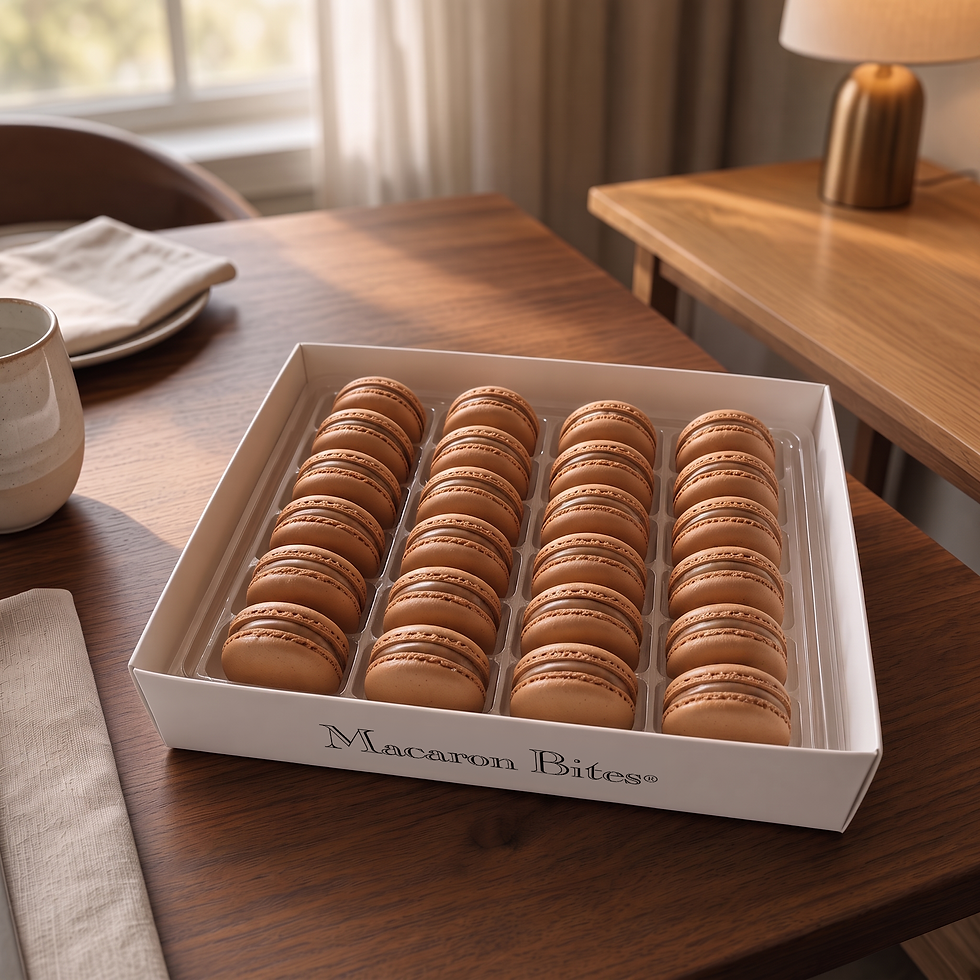
At its core, a macaron is a meringue-based sandwich cookie built from three simple ingredients: egg whites, almond flour, and sugar. Two round shells are baked separately, then joined together with a filling — ganache, buttercream, jam, or curd are the most common choices.
The result is a cookie with a delicate contrast in textures: a shell that's lightly crisp on the outside, giving way to a soft, chewy center. That contrast, paired with vivid color options, is a big part of why macarons read as "premium" the moment a customer sees them.

How a Macaron Is Built
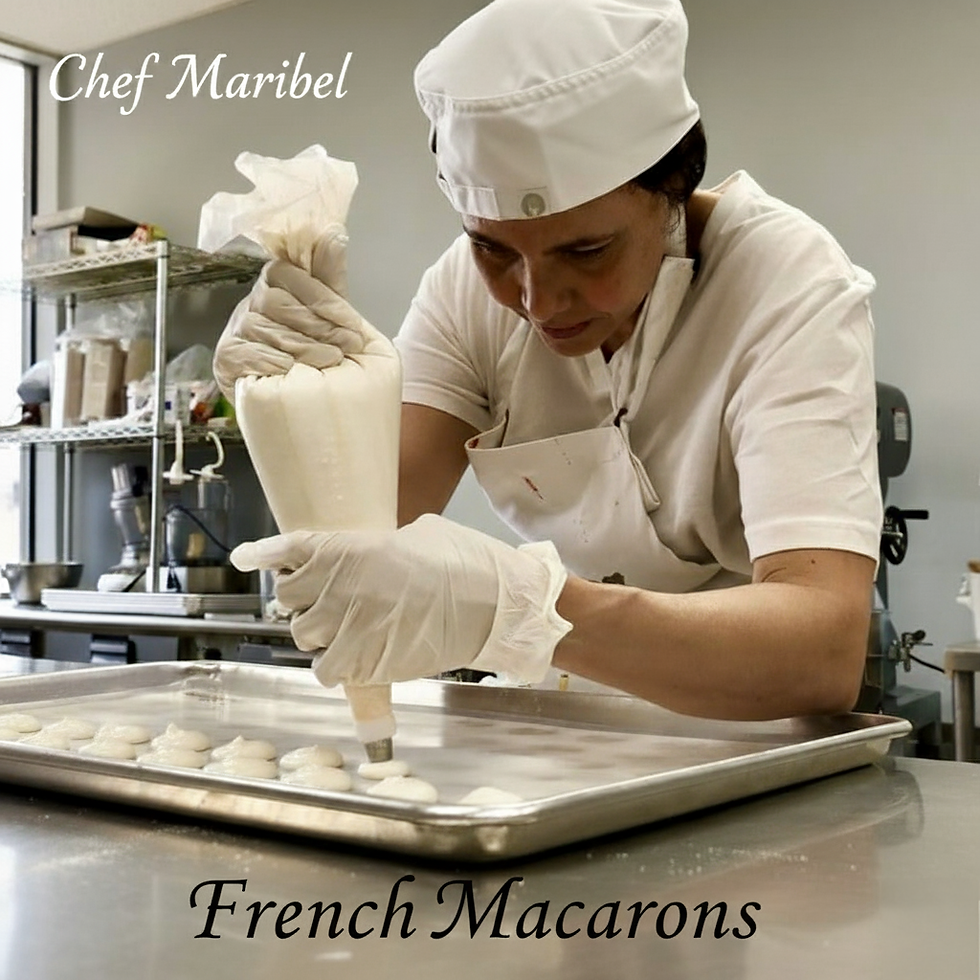
The shell starts as a meringue — egg whites whipped with sugar — into which finely ground almond flour and powdered sugar are folded. The batter is piped into small rounds and baked until the surface sets into that signature smooth dome. For any business buying in bulk, shell consistency matters: uniform size and color are what make a display case or gift box look intentional rather than assorted at random.
The filling goes between two matching shells and does most of the flavor work. Ganache, fruit preserves, and flavored buttercreams are the classics, and the range of possible combinations is one reason macarons work so well as an assortment rather than a single SKU.
The foot is the small detail that separates a well-made macaron from an imitation. It's the ruffled ring that forms around the base of the shell during baking, and it's one of the clearest visual signs of a properly executed French macaron — something worth checking for when you're vetting a wholesale supplier.
Popular Flavors to Stock
Most wholesale macaron programs rotate through a mix of styles so there's something for every customer:
Offering a spread across these categories tends to perform better than a single-flavor order, since it gives retail customers and event guests a reason to try more than one.
Macaron or Macaroon? Clearing Up the Confusion
This mix-up comes up constantly, so it's worth settling once and for all:
A macaron is the French almond-based sandwich cookie described above — two smooth shells, a filling in between.
A macaroon is a completely different cookie, dense and chewy, made mostly from shredded coconut.
Same-sounding name, different cookie entirely. If you're sourcing "French macarons wholesale," make sure your supplier is talking about the almond-based version — not the coconut one.
Are Macarons Gluten-Free?
Because the shells rely on almond flour rather than wheat flour, macarons are naturally gluten-free by ingredient list. That said, if you're selling to customers managing celiac disease or a gluten allergy, always confirm allergen handling and manufacturing practices with your supplier before making that claim on packaging or a menu — cross-contact risk depends entirely on how a facility is run.
Why Macarons Sell
Macarons show up across an unusually wide range of business settings:
Retail and specialty grocery
Bakeries and cafés
Hotels and restaurant menus
Weddings, showers, and birthdays
Corporate gifting and events
Holiday collections
Dessert tables and party favors
Part of the appeal is flexibility — colors can be matched to a brand palette, a seasonal promotion, or an event's color scheme, so the same product line can be repositioned all year round without changing suppliers.
Sourcing Macarons Wholesale
For a retailer or food-service operator, macarons are a relatively low-lift way to add a premium item to the lineup. They work in refrigerated cases, grab-and-go sections, curated gift boxes, catering spreads, and hotel amenity programs — often without requiring any additional equipment or prep on your end.
When evaluating a supplier, look for consistency in shell size and appearance, a flavor range that covers the categories above, and clear documentation on ingredients, allergens, and storage requirements.
Quick Answers
What is a macaron, in one line? A French sandwich cookie made from egg whites, almond flour, and sugar, filled with ganache, buttercream, or jam.
What gives a macaron its texture? A crisp shell with a soft, chewy interior — the result of the meringue-and-almond-flour baking process.
Why does the shell have a ruffled edge? That's the "foot," which forms during baking and signals a properly made shell.
Macaron vs. macaroon — what's the real difference? Macaron = almond-based French cookie. Macaroon = coconut-based cookie. Different pastries entirely.
Can macarons be purchased wholesale? Yes — retailers, cafés, hotels, caterers, and event planners regularly source them in bulk for retail, gifting, and food-service use.


Comments